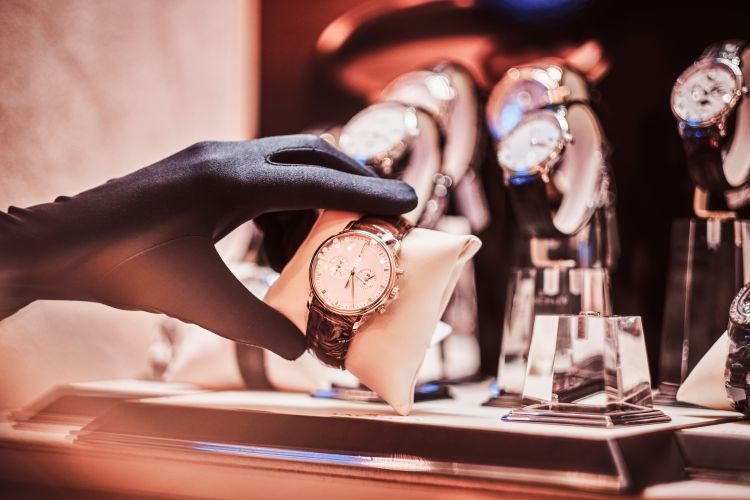
 Genuine luxury craftsmanship reveals itself through countless small details that distinguish truly exceptional pieces from those simply marketed as premium without the underlying quality to genuinely justify that positioning. Learning to recognize these details helps buyers make more informed decisions across virtually any luxury purchase category.
While this skill develops considerably with experience, understanding key indicators provides buyers, particularly those newer to luxury purchasing, with a genuinely useful foundation for evaluating quality and craftsmanship more confidently and accurately across future purchase decisions.
Table of Contents
Examining Material Quality Closely
Genuine luxury craftsmanship consistently uses superior materials throughout, not just in the most visible, immediately obvious elements. Examining less prominent details, such as interior finishing or components not immediately visible during casual inspection, often reveals genuine quality differences that superficial examination alone might easily miss.
This attention to less visible detail reflects a broader philosophy of genuine craftsmanship, where quality extends consistently throughout an entire piece rather than being concentrated only in areas most likely to catch a casual buyer’s immediate, surface-level attention during a typical purchase decision.
Understanding Construction and Assembly Techniques
Genuine craftsmanship often involves construction techniques that prioritize durability and precision over manufacturing speed or cost efficiency. Understanding basic differences between hand-finished and purely machine-produced elements helps buyers appreciate why seemingly similar pieces can carry meaningfully different price-prioritized quality levels.
For those considering a purchase where they buy Rolex watch pieces specifically, understanding the brand’s particular construction philosophy and quality standards provides valuable context for evaluating what genuinely justifies the premium positioning within this particular, highly regarded luxury watch category.
Recognising Consistency as a Quality Indicator
Genuine luxury craftsmanship demonstrates consistency, uniform finishing, aligned details, and reliable performance, since inconsistency often indicates either quality control issues or, in more concerning cases, potential authenticity problems that buyers should genuinely investigate further before proceeding with any significant purchase.
Learning to notice these consistency indicators, through careful, methodical examination rather than a quick, superficial glance, helps buyers develop genuine confidence in distinguishing authentic quality craftsmanship from pieces that may not deliver the standard their price point and marketing positioning would otherwise suggest.
Considering the Weight and Feel of a Piece
Physical weight and overall tactile feel often provide genuine, immediate indicators of underlying material quality and construction standards, since premium materials and proper construction techniques typically result in a piece that feels substantially different, usually heavier and more solid, than lower-quality alternatives.
While this factor alone should never be the sole basis for evaluating genuine quality, combining this tactile assessment with other, more detailed examination provides a genuinely useful additional data point when evaluating overall craftsmanship quality across different pieces being seriously considered.
Researching Brand History and Manufacturing Standards
Understanding a brand’s genuine manufacturing history and documented quality standards provides valuable context for evaluating specific pieces, since brands with consistently rigorous, well-documented standards generally deliver more reliable genuine craftsmanship than those with less established or less transparent manufacturing practices.
This research, while requiring some genuine time investment, considerably improves buyer confidence and helps set accurate, realistic expectations about what specific price points should genuinely deliver in terms of authentic craftsmanship and underlying build quality across comparable luxury purchase options.
Trusting Reputable, Established Sellers
Beyond personal examination skills, purchasing through reputable, established sellers with genuine expertise and accountability provides an important additional layer of quality and authenticity assurance, particularly for buyers still developing their own independent evaluation confidence and expertise.
This reputable sourcing becomes especially important for higher-value purchases, where the genuine financial stakes of authenticity or quality issues are considerably higher than with more modest, lower-risk purchase decisions across other, less specialised product categories.
Learning From Established Collectors and Enthusiasts
Established collectors and enthusiasts often possess genuine, hard-won knowledge about specific quality indicators and common authenticity concerns that even careful independent research might not fully uncover, making community engagement a genuinely valuable part of developing evaluation expertise.
Online forums, local collector groups, and knowledgeable retail staff all offer accessible avenues for this kind of experience-based learning, helping newer buyers develop genuine confidence considerably faster than relying purely on independent research and observation alone.
Practising Patience Throughout the Process
Developing genuine expertise in evaluating craftsmanship takes time, and buyers new to this process benefit from resisting pressure toward rushed decisions, instead taking adequate time to examine pieces thoroughly and consult additional resources or opinions before finalising any significant purchase.
This patience ultimately pays off through considerably greater confidence and satisfaction in the eventual decision, compared to a rushed purchase made without the thorough evaluation that genuine craftsmanship assessment properly deserves and requires for a truly informed decision.
Spotting genuine luxury craftsmanship involves examining material quality closely, understanding construction techniques, recognising consistency indicators, considering tactile feel, and researching brand manufacturing standards thoroughly. Developing these evaluation skills helps buyers make considerably more confident, informed purchasing decisions.
For anyone building genuine expertise in evaluating luxury craftsmanship, combining these evaluation techniques with purchases through reputable, established sellers provides the strongest possible foundation for confident, satisfying luxury purchasing decisions over time.