Gold Market News | 24 October 2026
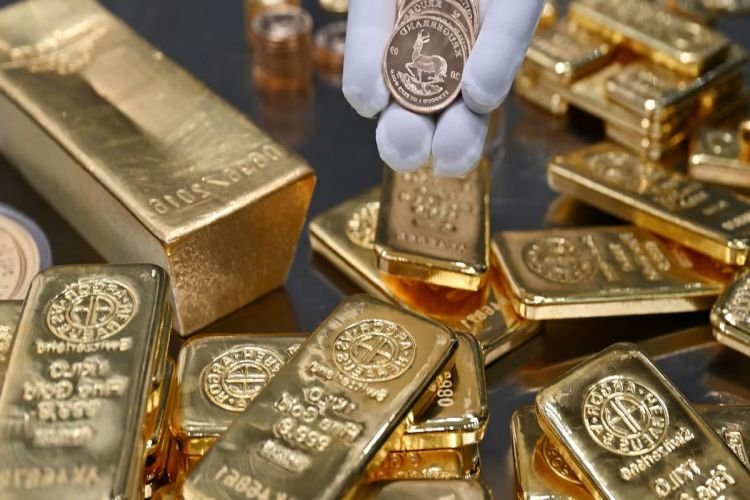 Central banks around the world are continuing to accumulate gold, demonstrating the precious metal’s importance within international financial reserves.
New figures released in October show that official gold purchases remained strong during August 2026, despite considerable volatility in global bullion prices.
The trend raises an interesting question: why are national governments continuing to increase their gold holdings?
Table of Contents
Central Banks Purchased 39 Tonnes in August
According to the latest central bank gold purchasing statistics, central banks reported net purchases of approximately 39 tonnes of gold during August.
Reported net buying reached approximately 170 tonnes for the first eight months of 2026.
China, Poland, Uzbekistan and Kazakhstan were among the countries increasing their reserves.
China purchased approximately 20 tonnes during August, continuing a lengthy period of reported gold accumulation.
Poland added approximately eight tonnes, while Uzbekistan also increased its holdings.
These purchases reflect the continuing importance of gold as a reserve asset for monetary authorities.
Why Do Governments Hold Gold?
Central banks hold reserves to support financial stability, international payments and confidence in their monetary systems.
These reserves may include foreign currencies, government bonds and physical gold.
Unlike a government bond, physical gold is not a promise by another government to repay money.
This characteristic can make it attractive to reserve managers seeking to diversify their holdings and reduce dependence on particular currencies or sovereign issuers.
Gold can also be traded internationally and has an established market extending across financial centers worldwide.
However, it does not generate interest income and can experience substantial price fluctuations.
China’s Growing Gold Reserves
China has become an important participant in the international gold market.
Its central bank has been gradually increasing official holdings as part of a broader approach to reserve management.
The latest figures indicate that gold represented approximately 9% of China’s reported total reserves in August.
Other countries have much higher proportions of gold within their reserve portfolios.
These differences demonstrate that central banks have varying approaches to reserve diversification, currency exposure and financial risk.
Read more about Standard Chartered Pours More Cash in a Newly Rebranded Trade Finance Startup.
Does Central Bank Buying Affect Gold Prices?
Central bank purchases represent one source of demand in the international gold market.
Large-scale buying can support overall demand, although gold prices are also influenced by private investment, jewelry consumption, mining supply and interest rates.
Official purchases do not prevent gold prices from falling.
Indeed, the gold market has experienced significant corrections during 2026 despite continued central bank accumulation.
What Can Australian Investors Learn?
Central bank activity illustrates why gold remains relevant to the modern financial system.
While private investors operate on a much smaller scale, they may consider some of the same principles, including diversification and the role of tangible assets.
For Australians purchasing physical bullion, it is important to distinguish long-term investment considerations from short-term market speculation.
Central bank buying provides useful market context but should not be interpreted as a guarantee of future price increases.
Brisbane Gold Buyers
Shop 1, 663 Ipswich Road, Annerley QLD 4103
Phone: (07) 3123 6679