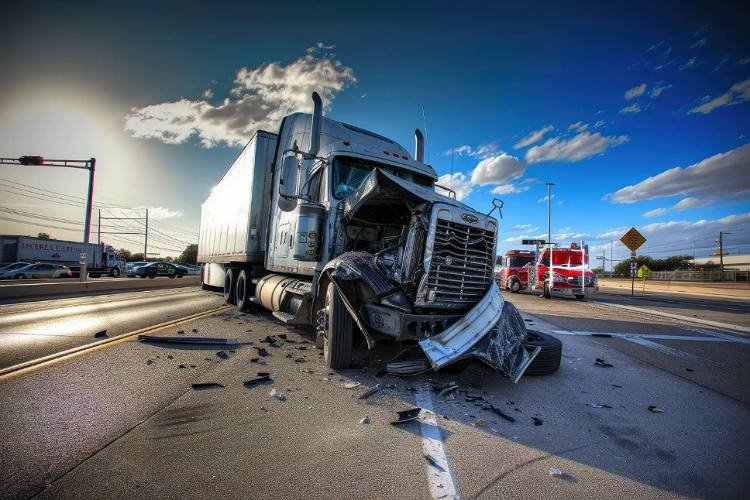
 Truck accidents are often more devastating than car crashes because of the size and weight of commercial vehicles.
An 18-wheeler can weigh up to 80,000 pounds when fully loaded. By comparison, the average passenger car weighs about 4,000 pounds. That size difference alone explains why injuries in truck collisions are frequently catastrophic rather than minor.
In a busy transportation hub like Dallas, major highways such as I-35, I-20, and I-30 see heavy commercial traffic every day. According to national transportation data, crashes involving large trucks are far more likely to result in severe injuries or fatalities than standard vehicle accidents.
As safety analysts often put it: “Physics doesn’t negotiate.” When a fully loaded truck collides with a smaller vehicle, the outcome can change lives in seconds.
Table of Contents
What Should You Do Immediately After a Truck Accident?
You should prioritize safety, medical attention, and documentation right away.
The moments after a crash can feel overwhelming, but taking clear steps can protect both your health and your legal rights.
Immediate Action Checklist
- Call 911 and request emergency assistance.
- Seek medical evaluation, even if injuries seem minor.
- Ensure a police report is filed.
- Take photos of vehicles, road conditions, and visible injuries.
- Collect contact information from witnesses.
- Avoid discussing fault at the scene.
Medical professionals consistently warn that adrenaline can mask pain. Injuries like concussions, internal bleeding, or soft tissue damage may not appear immediately.
“Get checked first, ask questions later,” is advice many emergency physicians repeat.
Why Truck Accident Cases Are More Complex Than Car Accidents
Truck accident cases are complex because they often involve multiple responsible parties and strict federal regulations.
Unlike a typical two-driver car accident, truck crashes may involve:
- The truck driver
- The trucking company
- A cargo loading contractor
- A vehicle maintenance provider
- A parts manufacturer
Commercial drivers must follow federal safety regulations, including hours-of-service limits designed to prevent fatigue. Violations of these rules can significantly impact liability.
For example, if electronic logging device (ELD) data shows a driver exceeded legal driving hours, that evidence could strengthen an injury claim.
Understanding Personal Injury Claims After a Truck Crash
A personal injury claim allows victims to seek compensation when negligence causes harm.
In Texas, drivers and trucking companies owe a duty of care to others on the road. When that duty is breached through speeding, distracted driving, poor maintenance, or fatigue and injuries occur, victims may pursue financial recovery.
What Compensation May Cover
Personal injury claims often include:
- Emergency and ongoing medical expenses
- Physical therapy and rehabilitation
- Lost wages and future earning capacity
- Pain and suffering
- Property damage
Texas follows a modified comparative fault rule. This means you can recover damages if you are not more than 50% responsible for the accident. However, your compensation will be reduced by your percentage of fault.
For example, if a jury awards $1 million but finds you 15% responsible, your recovery would be reduced to $850,000.
Why Early Medical Documentation Matters
Prompt medical care strengthens both recovery and legal claims.
Truck accidents frequently cause:
- Traumatic brain injuries
- Spinal cord damage
- Fractures
- Severe soft tissue injuries
- Internal organ trauma
Insurance companies often scrutinize gaps in treatment. If you delay care, insurers may argue that your injuries were not serious or not related to the accident.
Keeping copies of medical records, prescriptions, and treatment plans creates a clear timeline linking the crash to your injuries.
How Insurance Companies Approach Truck Accident Claims
Insurance companies often act quickly to limit financial exposure.
Trucking companies typically carry large insurance policies, sometimes in the millions. Because of this, insurers may deploy investigators to the scene immediately.
Common tactics include:
- Requesting recorded statements
- Offering quick settlements
- Disputing the severity of injuries
- Attempting to shift blame
Quick offers may seem helpful, especially when medical bills are mounting. However, serious injuries can require months or years of treatment. Accepting an early settlement could prevent you from seeking additional compensation later.
When Should You Contact a Dallas Truck Accident Attorney?
You should contact a lawyer if you have suffered injuries or if liability is unclear.
Truck accident investigations often require specialized knowledge, including:
- Reviewing black box data
- Analyzing driver logs
- Examining maintenance records
- Consulting accident reconstruction experts
Experienced legal teams, such as DFW Injury Lawyers Dallas truck accident attorneys, understand how to preserve evidence and navigate complex trucking regulations.
Many personal injury attorneys operate on a contingency fee basis. This means:
- No upfront legal fees
- Payment only if compensation is recovered
- Free consultations to review your case
This structure allows victims to seek help without additional financial stress.
What Evidence Strengthens a Truck Accident Case?
Strong evidence clearly demonstrates negligence and damages.
Key pieces of evidence may include:
- Police accident reports
- Electronic logging device data
- Dashcam or traffic camera footage
- Witness statements
- Medical documentation
- Vehicle inspection and maintenance records
In high-impact crashes, accident reconstruction specialists may analyze skid marks, impact angles, and damage patterns to determine exactly how the collision occurred.
The stronger the documentation, the harder it is for insurers to dispute the claim.
The Long-Term Impact of Serious Truck Accidents
Truck accident injuries can have lasting physical, emotional, and financial effects.
Victims often experience:
- Chronic pain
- Reduced mobility
- Emotional trauma
- Lost career opportunities
- Ongoing medical expenses
Personal injury law exists to help restore financial stability when someone else’s negligence causes harm. While compensation cannot undo the accident, it can provide access to medical care, therapy, and long-term support.
Final Thoughts: Protecting Your Health and Legal Rights
The most important step after a Dallas truck accident is protecting your well-being and understanding your options.
Truck crashes are complex, high-stakes events that require careful documentation and informed decision-making. Acting quickly, seeking medical attention, and consulting qualified professionals can significantly affect the outcome of your case.
If you or a loved one has been injured, knowing how personal injury claims work and when to seek guidance can make the road to recovery clearer and more manageable.