 Summer has tons of benefits that make it the favourite season of many Australians, and it’s easy to see why. Warm weather allows everyone to spend time outdoors relaxing and having fun. However, some locals dread the warmer months because the heat also brings out those dreaded household insects that we all despise so much.
This is one of the top reasons why locals opt for the termite control Melbourne pest experts offer year-round. Many Australian homes are made using timber frames and supports, and since the cellulose found in timber attracts termites, it makes sense that this treatment is so crucial. If you’re considering a termite treatment, this post takes a look at what you should know.
Table of Contents
What are Termites?
You’d have to look very far to find an Australian who has never encountered a termite. The main reason for this is that Australia is well known for having over 360 species endemic to the area. As a major structural threat, it’s estimated that 1 in every 5 homes will at some point experience a termite infestation. This can result in millions of dollars in damage yearly. Tropical climates and high humidity increase their appearance.
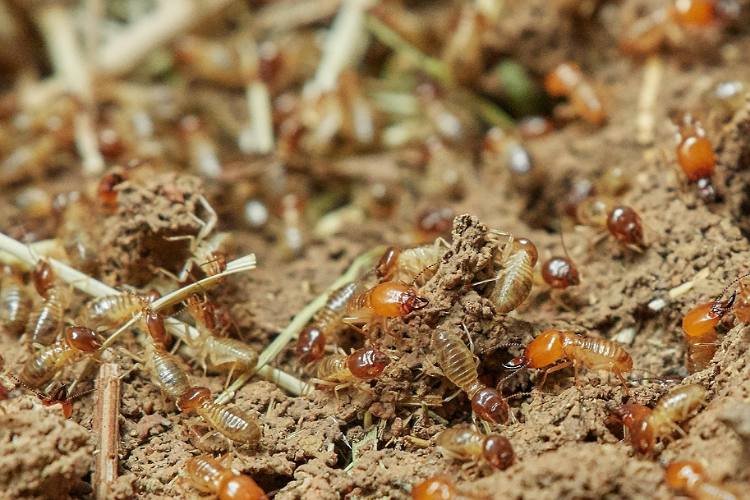
Essentially, termites are small, wood-eating insects that live in big, structured colonies which they create in your home. Since they thrive on cellulose, they often make their nests close to wooden structures, cupboards, or furnishings. They’re usually 1 inch in size and resemble ants with varying colours, which depend on their species. For the most part, termites are brown or white.
Termite Inspections Are a Must-Have
Many insects are only dealt with once they appear in your home or on your property. The reality is that by the time you see a termite, there may already be an established colony. This means that significant damage may already be done.
With this in mind, pest controllers recommend being proactive about termite inspections and using them to prevent an infestation altogether. Here’s what you need to know as you prepare to arrange your first termite inspection.
1. Research Your Local Area
Unlike cockroaches and ants, termites won’t primarily flock to untidy homes. Since termites prefer the cellulose found in wood, they will live wherever they can get access to this. This usually includes wood piles, timber structures such as sheds, blocked gutters, and other areas where moisture can build up.
In addition to checking if your home has any of these factors, you should also review the area around your property. Some common areas that may be more attractive to termite colonies include the following:
- Open fields around your property
- Parks that have a lot of vegetation, trees, and shrubs (remember that cellulose is found in the woody parts of plants)
- Spaces where there’s stagnant or pooled water, such as a still pond or water feature
- Regions where humidity is high
You should also speak to your neighbours to establish if they have ever had issues with termites. This will let you know if your property is already at a higher risk of infestation.
2. Look Out for the Signs
Termites are not bashful about their presence on your property and will easily walk around in the open to find the cellulose they’re hunting for. That means, spotting them is easy if you know what to look for.
No matter how clean your home is, if you have timber structures, wood piles, or live in a humid area, then you’ll need to keep an eye out for the following signs:
- Termites flying around, especially at dusk or dawn
- Discarded insect wings lying around
- Timber walls or beams that sound hollow when tapped on
- Small mud tubes on exterior walls
- Termite droppings (referred to as frass)
- Strange noises in the walls, sounding like chewing noises
- Doors or windows with wooden frames are hard to open
- Small wood shavings lying close to walls and door structures
Call your local pest controller at the first sign of termites.
3. An Investment for a New Home
Any potential property purchase should be preceded by a termite inspection. This will ensure that you don’t only discover the damage done by termites after you’ve signed on the dotted line. Here are some tell-tale signs to look for on your prospective property:
- Wet areas from leaking pipes
- Spaces with a lot of mulch in the garden
- Worn or clogged gutters
- Obvious cracks in any of the foundations on the property
- Wood piles or excessive vegetation along the house walls
Final Thoughts
The appearance of a termite on your property should never be taken lightly. Whether you’re seeing them in your garage or near your back door, it’s essential to call your local pest controller to deal with them. Professional pest controllers will assess your property and the surrounding areas to establish the level of risk you’re dealing with.
By applying correct and tailored solutions, the professionals can potentially save you thousands of dollars in structural repairs down the road. You will also have peace of mind that your home and your possessions aren’t being slowly destroyed by these pesky little critters!