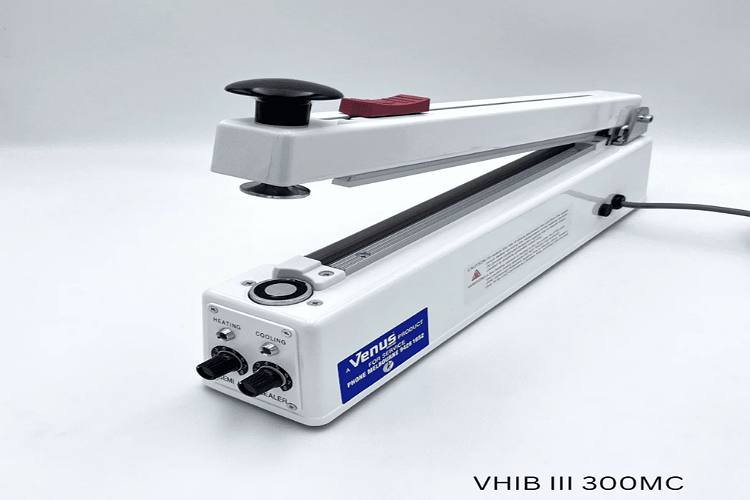
 People use heat sealers for a wide variety of reasons. Not only is it an excellent way to store leftover food or kitchen ingredients, but it can also be an invaluable asset in the packing process of big and small businesses.
No matter what you use your heat sealers for, it’s essential to know that you will need to keep them maintained if you want to work properly all the time. We take a look at the benefits of investing in a heat sealer as well as share a few simple maintenance tips to ensure that the machine works when you need it to.
Table of Contents
Understanding Why Heat Sealers Are So Popular
Heat sealers, or heat-sealing machines, as they’re also called, are devices that use heat to melt two pieces of plastic, film, or foil together to seal an item inside. Just about anything can be heat-sealed, provided you can fit the item under the sealing arm (jaw) of the heat sealer.
Sealing items in this way not only ensures freshness for foodstuffs but is also an effective way to protect delicate items that could get damaged during transit. A significant benefit here is that heat sealers are available in a wide range of sizes, making it easy to find a model big or small enough for your needs. Heat sealers can be used effectively in your kitchen or as part of your business packaging process.
Advantages of Using a Quality Heat Sealer
Using a heat sealer is an effective way to seal anything from dried fruits to computer parts, and keeps items fresh and safe from damage during transit or storage. Here are a few of the top advantages that you can look forward to when you invest in a heat-sealing machine of any size.
- Doesn’t require specialised adhesion: The heat-sealing process involves using heat to fuse two pieces of film or plastic. This means that there’s no need for specialised glue or adhesives, which in turn saves money.
- Creates a tamper-proof and superior seal: The heat fusion creates a strong and durable tamper-proof seal that keeps small components from falling out of the bag. The seal can also not be broken and resealed. This means your customers will know if someone has tampered with their packages.
- Ensures products remain secure in a protective and durable package: With the various shipping and transit processes, it often means that every package is handled several times before reaching its destination. Inferior packaging makes it easier for the items to get lost or damaged. Heat sealing has a strong seal, ensuring that this doesn’t happen.
Look Forward to Simple Maintenance
Every device, machine, or appliance in your business or kitchen will require care and maintenance to keep it working optimally. Additionally, you’ll also want to minimise downtime that can affect your business processes. Fortunately, heat sealer maintenance is easier than you think. Here’s what you need to know.
1. Invest in Preventative Maintenance
If you’re using heat sealers in your business packaging processes, it’s essential to invest in preventive maintenance. This involves outsourcing repairs and maintenance to an expert technician who will ensure that worn parts are replaced before the machine breaks and causes downtime.
During this process, your technician will perform the following maintenance tasks:
- Check the machine’s components for optimal functionality
- Replaces components if necessary
- Ensures that basic spare replacement kits are kept in stock
- Lubricates necessary components to increase functionality
2. Keep Spare Replacement Kits on Hand
No matter how well you maintain your heat sealer, there’s always the risk of a component breaking. Avoid downtime by keeping replacement kits on hand. These kits replace the worn components and can have your machine back in working order in no time. Speak to your maintenance technician to help you order the necessary backup stock.
3. Businesses Should Create a Maintenance Schedule
Another simple way to keep even the simplest machinery in your business available to do the necessary work is to ensure that routine maintenance happens before the item breaks or shuts down. This often involves creating a checklist or schedule to remind yourself and your team of when the next service needs to be.
Schedule maintenance for off-peak periods to avoid downtime. First-time heat sealer owners and users should use the manufacturer’s recommendations as a guideline for how frequently they need to perform initial maintenance. Over time, you’ll get an idea of how often your heat sealers will need servicing. You’ll also get an idea of which components need replacing more often.
Final Thoughts
Heat sealing can be invaluable in the packaging process in your business or in your home to preserve food and valuable items. No matter what you use your heat sealer for, the bottom line is that if you want it to function optimally when you need it, you will have to ensure that it’s routinely maintained or serviced. Doing this will enable you to have your trusty heat sealer ready for use anytime you need it!