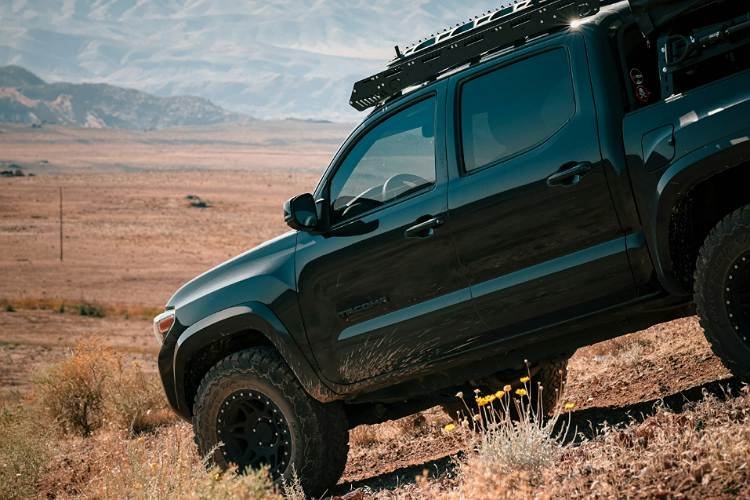
 Anyone who has towed a caravan or camper trailer along an outback road knows the feeling. The steady rattle of corrugations, the jolt of a pothole hidden in shadow, the lurch through a dry creek bed. Over hundreds of kilometres, these impacts wear down vehicles, shake loose fittings and leave travellers fatigued.
The quality of the suspension under your trailer has an enormous effect on how well it, and you, survive the journey.
Table of Contents
What Suspension Actually Does
Suspension serves several purposes. It absorbs impacts from uneven surfaces, keeps tyres in contact with the road for traction and braking, controls body movement and protects the structure and contents from shock and vibration. Good suspension improves safety, comfort and durability.
Poor or worn suspension transfers more force into the chassis and body, accelerating wear and increasing the risk of damage.
Leaf Spring Systems
Leaf springs have been used for generations because they are simple, durable and relatively inexpensive. Multiple steel leaves stacked together flex under load. They work well on sealed roads and moderate gravel, but on heavy corrugations they can transmit significant vibration to the body. Leaf spring setups also have limited articulation.
Upgrades such as heavier-duty springs, better shock absorbers and quality bushes can improve performance.
Independent Coil Suspension
Independent coil systems allow each wheel to move separately, improving ride quality and articulation on rough terrain. Coil springs combined with shock absorbers, often in pairs, absorb impacts more effectively than leaf springs. Trailing arm designs are common in off-road caravans and campers.
These systems generally offer better ground clearance and handling but cost more and require careful setup.
Airbag and Adjustable Systems
Some suspension systems use airbags to support the load, allowing ride height and stiffness to be adjusted. This can help level the van at camp, increase clearance for rough sections or improve ride quality depending on load. Adjustable systems add complexity, so check reliability and serviceability before choosing.
The Role of Shock Absorbers
Springs absorb energy, while shock absorbers control how that energy is released. Without effective shock absorbers, springs would continue bouncing after each bump. On corrugated roads, shock absorbers work extremely hard and can overheat, losing effectiveness.
Quality shock absorbers with larger bodies and good heat dissipation perform better over long, rough stretches.
Matching Suspension to the Chassis
Suspension is only as good as its mounting points. Hangers, brackets and mounts must be strong enough to handle repeated impacts. The chassis must be designed to carry loads where the suspension connects. Mismatched components can lead to cracked mounts or bent frames.
Specialists in chassis suspension systems design and supply components that integrate properly with the frame, ensuring loads are distributed correctly and that the combination suits the intended use.
Tyre Pressure and Speed
Even the best suspension benefits from sensible driving. Lowering tyre pressures on gravel and corrugated roads allows tyres to absorb more impact and improves traction. Reducing speed decreases the force of impacts and gives shock absorbers time to work.
Always reinflate tyres before returning to sealed roads.
Regular Inspection
Suspension components wear with use. Check for leaking shock absorbers, worn bushes, cracked springs, loose bolts and damaged mounts. Inspect wheel bearings and brakes at the same time. On long trips, check daily for signs of damage.
Carry spare parts such as U-bolts, bushes and a spare shock absorber when travelling remotely.
Load Distribution
How a trailer is loaded affects suspension performance. Uneven loading places extra stress on one side or one axle. Heavy items should be placed low and close to the axle. Avoid overloading, which compresses springs and reduces their ability to absorb impacts.
Upgrading Existing Suspension
Owners of older vans may consider upgrading suspension before a big trip. Options range from replacing springs and shock absorbers to converting from leaf springs to independent coil systems. Upgrades should be planned carefully, considering compliance, axle ratings and chassis strength.
The Human Factor
Suspension affects more than equipment. Travellers in the tow vehicle feel the knock-on effects of a trailer that bounces, sways or pulls on the hitch. A trailer with well-matched suspension tracks more predictably behind the vehicle, reducing driver fatigue over long days. Less vibration also means fewer surprises at camp, such as cupboards emptied onto the floor, broken jars or a fridge that has shifted on its mounts.
Comfortable, predictable towing makes the whole journey more enjoyable and safer for everyone on board.
Axle Configuration
Whether a trailer runs on a single or tandem axle also influences ride and handling. Tandem setups spread weight across four wheels, often tracking more steadily and coping better with heavier loads, though they can scrub tyres in tight turns. Single axles are lighter and easier to manoeuvre by hand but carry more load per wheel. Choosing the right configuration for the trailer’s mass and intended use is part of getting suspension right.
Comfort and Confidence
Good suspension transforms the experience of travelling remote roads. It protects your investment, keeps your belongings intact and makes long days behind the wheel more comfortable. By understanding the options, matching suspension to your travel style and maintaining it carefully, you can explore further with confidence.