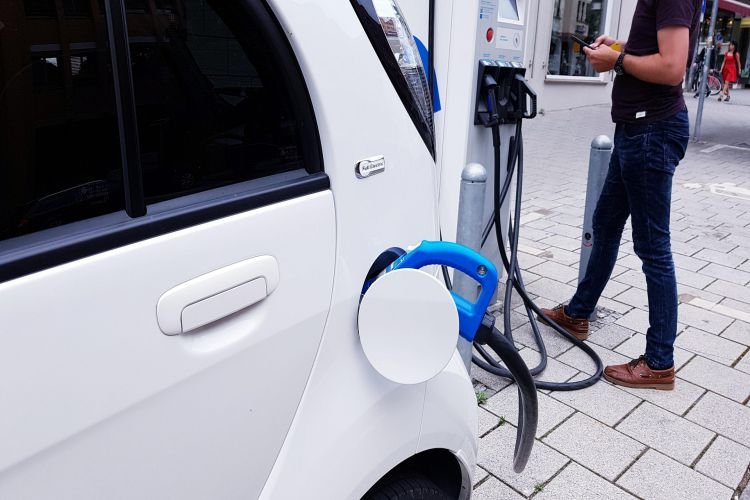
 As electric vehicles (EVs) become increasingly popular, the demand for home and commercial charging solutions is skyrocketing. EV owners require convenient, reliable, and safe access to electricity to keep their vehicles charged, making the role of licensed electricians more critical than ever. Installing an electric vehicle charger is not as simple as plugging it into a standard outlet—it involves understanding electrical systems, ensuring compliance with safety codes, and selecting the right type of charger for the user’s needs.
Table of Contents
Understanding EV Chargers
Electric vehicle chargers are generally divided into three main types: Level 1, Level 2, and DC fast chargers. Each type offers different charging speeds and has unique installation requirements.
- Level 1 chargers use a standard 120-volt outlet and can typically add 3–5 miles of range per hour of charging. While installation is straightforward, Level 1 chargers are slow and more suitable for overnight home charging.
- Level 2 chargers operate on 240 volts and can add 15–60 miles of range per hour. These chargers require a dedicated circuit and professional installation by a licensed electrician to ensure safe operation and compliance with local electrical codes.
- DC fast chargers are the fastest option, commonly found in public charging stations. These chargers require specialized equipment, high-voltage connections, and professional expertise for installation and maintenance. While they are rarely installed in homes, their widespread deployment highlights the growing need for qualified electricians in the EV industry.
The Electrician’s Role in Charger Installation
A licensed electrician plays a vital role in the safe and effective installation of EV chargers. The process involves several critical steps, from evaluating the electrical system to the final inspection. Here’s what electricians typically do:
- Assess Electrical Capacity
Before installing an EV charger, an electrician evaluates the home or building’s existing electrical panel to determine if it can handle the additional load. Level 2 chargers, for example, often require a 240-volt circuit, which may necessitate upgrading the electrical panel. This assessment ensures that the installation does not overload the system or create fire hazards. - Select the Appropriate Charger
Electricians help clients choose the right charger based on their driving habits, vehicle type, and available electrical capacity. They provide guidance on factors such as charging speed, connectivity features, and energy efficiency, ensuring that the installation aligns with the user’s needs and future growth in EV ownership. - Install Dedicated Circuits and Wiring
EV chargers require dedicated circuits to operate safely. Electricians install the proper wiring, outlets, and breakers, following national and local electrical codes. Proper grounding and surge protection are also essential to prevent electrical faults and ensure long-term reliability. - Mount and Connect the Charger
Once the electrical infrastructure is ready, the electrician mounts the EV charger on a wall or pedestal and connects it to the circuit. This step involves precise electrical work to ensure that the charger operates safely and efficiently. - Test and Inspect
After installation, electricians test the charger to confirm it is functioning correctly. They check for proper voltage, amperage, and safety features. In many regions, inspections by local authorities are required to ensure code compliance and secure operating conditions.
Benefits of Hiring a Professional Electrician
While some EV owners may be tempted to attempt DIY installation, hiring a licensed electrician offers significant advantages:
- Safety: Electric vehicle chargers operate at high voltages, which can be dangerous if handled incorrectly. Electricians are trained to manage electrical hazards safely.
- Code Compliance: Incorrect installations can violate electrical codes, leading to fines, insurance issues, or even fire hazards. Electricians ensure all work meets local and national standards.
- Efficiency: A professional installation guarantees that the charger operates at its full potential, reducing charging times and energy waste.
- Longevity: Proper installation reduces the risk of damage to the vehicle, charger, and electrical system, extending the lifespan of the equipment.
If you’re unsure where to start, you can find a electric vehicle charger electrician in your area through local directories, manufacturer recommendations, or certified installer programs, ensuring a safe and reliable setup.
Emerging Trends in EV Charger Installation
The EV industry is rapidly evolving, and electricians must stay updated with new technologies and installation methods. Smart chargers, for example, can be programmed to charge during off-peak hours to reduce electricity costs. Some chargers integrate with home solar systems, requiring electricians to coordinate with renewable energy specialists.
Additionally, as EV adoption grows, electricians are increasingly involved in commercial and multi-unit residential projects. Installing multiple charging stations in parking lots, office buildings, or apartment complexes requires careful planning, electrical load analysis, and coordination with property managers.
Training and Certification for Electricians
To work with EV chargers, electricians often pursue specialized training. Many manufacturers offer certification programs that teach installation techniques, safety protocols, and troubleshooting methods. These certifications not only enhance an electrician’s credibility but also help clients feel confident in their choice of installer.
Moreover, ongoing professional development is crucial as EV technology continues to evolve. Electricians who stay current with emerging charging standards, high-voltage battery systems, and smart grid integration are in high demand, positioning themselves as essential partners in the EV ecosystem.
Conclusion
Electric vehicle adoption is accelerating, and with it comes the critical need for professional electricians skilled in charger installation. Whether installing a Level 2 home charger, setting up a commercial charging station, or integrating renewable energy systems, electricians ensure that EV owners enjoy safe, efficient, and reliable charging solutions.
By assessing electrical capacity, selecting the right charger, installing dedicated circuits, and ensuring compliance with safety codes, electricians play a central role in the EV revolution. Their expertise not only protects property and vehicles but also contributes to a cleaner, more sustainable future.
As the EV market continues to grow, the demand for trained, certified electricians will only increase, making this a promising and essential career path for those interested in renewable energy, technology, and innovative infrastructure.