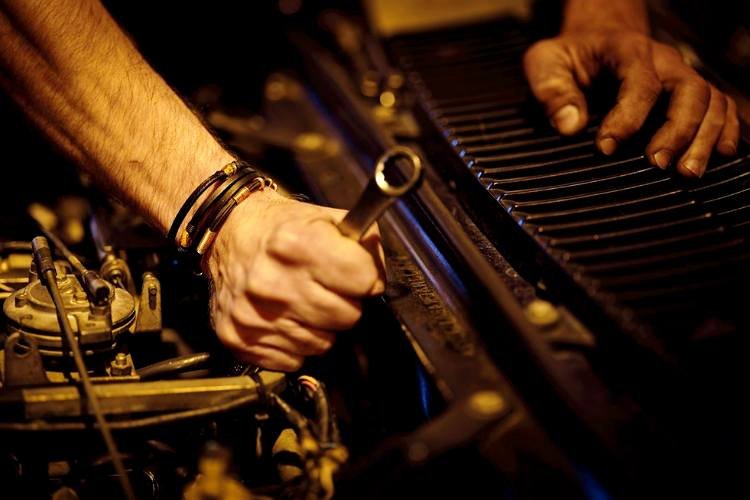
 Being a good car mechanic is about much more than knowing how to turn a wrench or replace a part. It is a profession that blends technical knowledge, problem-solving ability, patience, and strong communication skills. Modern vehicles are complex machines that combine mechanical systems with electronics, software, and advanced safety features. Because of this, a skilled mechanic today must constantly learn and adapt.
At its core, the job of a car mechanic is to diagnose, repair, and maintain vehicles so they operate safely and efficiently. But what separates an average mechanic from a truly good one is the depth of understanding they bring to each of these tasks, along with their attitude toward learning and customer service.
Table of Contents
Strong technical knowledge and continuous learning
A good mechanic starts with a solid foundation in automotive systems. This includes understanding engines, transmissions, braking systems, suspension, electrical systems, and climate control. However, knowing how these systems work individually is not enough. A skilled mechanic also understands how they interact with each other.
For example, a problem with engine performance might actually be caused by a faulty sensor in the electrical system. Without a broad understanding of how different systems connect, it is easy to misdiagnose issues. That is why training is essential, whether through vocational schools, apprenticeships, or certifications.
But learning does not stop once formal education ends. The automotive industry evolves quickly. New cars often rely heavily on computer systems, sensors, and software updates. Electric and hybrid vehicles have introduced entirely new systems that many older mechanics were not trained on. A good mechanic stays updated by attending workshops, reading technical manuals, and keeping up with industry changes.
Diagnostic skills and problem-solving ability
One of the most important skills a mechanic can develop is the ability to diagnose problems accurately. In many cases, a vehicle does not clearly show what is wrong. Instead, it gives symptoms—strange noises, warning lights, reduced performance, or unusual smells. A good mechanic must interpret these clues and determine the root cause.
This requires logical thinking and a methodical approach. Instead of guessing, skilled mechanics test systems step by step. They use diagnostic tools such as scanners that read error codes from a car’s computer, as well as physical inspections and test drives. However, tools alone are not enough. Experience plays a huge role in recognizing patterns and narrowing down possible causes.
Good problem-solving also means knowing when not to rush. Replacing the wrong part can be costly and frustrating for both the mechanic and the customer. Careful analysis helps avoid mistakes and builds trust over time.
Attention to detail
Cars are made up of thousands of parts, many of which must work together with precision. A small mistake—such as a loose bolt, incorrect wiring connection, or improperly calibrated sensor—can lead to bigger problems later on. Because of this, attention to detail is one of the most important qualities in a mechanic.
A good mechanic double-checks their work. They follow procedures carefully, use proper torque settings, and ensure that every part is installed correctly. They also notice small signs of wear or damage that others might overlook. For example, spotting a cracked hose early can prevent an engine from overheating or breaking down unexpectedly.
Attention to detail also applies to record-keeping. Good mechanics document repairs, parts used, and maintenance history. This helps ensure consistency and allows future work on the vehicle to be done more efficiently.
Physical skill and coordination
Although modern mechanics rely heavily on computers and diagnostic tools, the job still involves a significant amount of hands-on work. This can include lifting heavy parts, working in tight spaces, and using a wide range of tools. Good physical coordination and stamina are important.
A mechanic must also develop fine motor skills for tasks that require precision, such as working with electrical wiring or small engine components. Over time, experienced mechanics become highly efficient with their movements, allowing them to complete complex repairs more quickly and safely.
However, physical ability alone is not enough. Smart mechanics also know their limits and use proper safety procedures. Wearing protective gear, using lifts correctly, and following workshop safety rules are all essential parts of the job.
Communication and customer service
A good mechanic is not only skilled with cars but also able to communicate clearly with people. Many customers do not understand technical automotive language, so it is the mechanic’s job to explain issues in a simple and honest way.
For example, instead of saying “your oxygen sensor is malfunctioning,” a good mechanic might explain, “a sensor that helps control fuel usage is not working properly, which is affecting your engine performance.” This helps customers understand what is wrong and why repairs are necessary.
Trust is extremely important in this profession. Customers rely on mechanics to be honest about what needs fixing and what does not. A good mechanic avoids unnecessary repairs and gives fair estimates. Over time, this honesty builds a strong reputation and repeat business.
Good communication also includes listening carefully to customers. Sometimes the information a driver provides—such as when a noise occurs or how the car feels while driving—can be very helpful in diagnosing the problem.
Time management and efficiency
In a busy workshop, mechanics often work on multiple vehicles at once or under time pressure. Being able to manage time effectively is essential. A good mechanic knows how to prioritize tasks, estimate how long repairs will take, and stay organized.
Efficiency does not mean rushing through work. Instead, it means working in a structured way to avoid wasted time and repeated effort. Experienced mechanics develop routines that help them complete tasks faster without sacrificing quality.
Read more: What Your Auto Mechanic Wants You to Know about Car Repair
Adaptability and mindset
One of the most important qualities of a good mechanic is mindset. The job can be challenging, especially when dealing with complicated or unfamiliar problems. A good mechanic remains calm under pressure and approaches each issue with patience.
Adaptability is also key. As vehicles become more advanced, mechanics must be willing to learn new technologies. Electric vehicles, for example, require different knowledge compared to traditional gasoline engines. Mechanics who are open to change are more likely to succeed in the long term.
Problem-solving in this field often involves trial and error, and not every diagnosis is immediate. A good mechanic does not get discouraged easily but instead keeps working through the problem systematically.
Ethics and responsibility
Finally, being a good mechanic involves strong ethics. Vehicles are essential for people’s daily lives, safety, and work. A mechanic has a responsibility to ensure that every car they work on is safe to drive.
This means being honest about what repairs are necessary, not cutting corners, and never compromising safety for speed or profit. Ethical behavior builds trust and ensures long-term success in the profession.
Conclusion
Being a good car mechanic is a combination of technical expertise, practical skill, and strong personal qualities. It requires constant learning, careful attention to detail, and the ability to solve complex problems. Just as importantly, it requires honesty, communication skills, and a commitment to doing the job properly.
In a world where vehicles are becoming more advanced every year, the role of the mechanic continues to evolve. Those who succeed are not just the ones who know how engines work, but the ones who are willing to keep learning, think critically, and take pride in their work.